


Deep Dive
来自我们记者的行业洞察
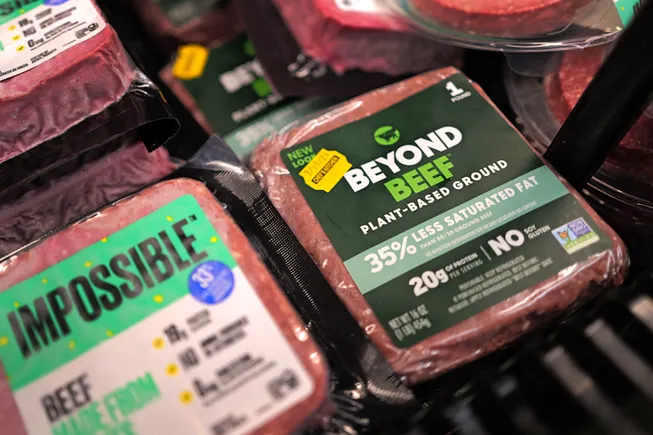
Plant-based meat giants Impossible Foods and Beyond Meat use sustainability as a core marketing strategy, but their self-commissioned life cycle assessment (LCA) data is being questioned by scientists and investors. Experts point out that these studies lack independent verification, do not fully account for the emission impacts of sourcing raw materials such as soy, and have insufficient supply chain traceability, which may conceal environmental risks related to deforestation.
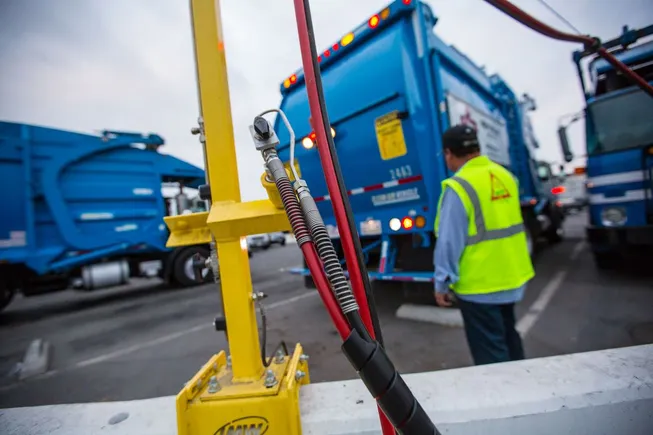
Multiple U.S. states are advancing low-carbon fuel standard legislation. If more states follow California's model, it could significantly boost the biogas industry, including sources like landfill gas, attracting waste giants and oil companies to increase investment.

In new efforts to mitigate biodiversity loss, packaging industry companies are beginning to consider incorporating this issue into their sustainability plans. But measurement challenges mean that the widespread adoption of such measures—at least for now—is unlikely.
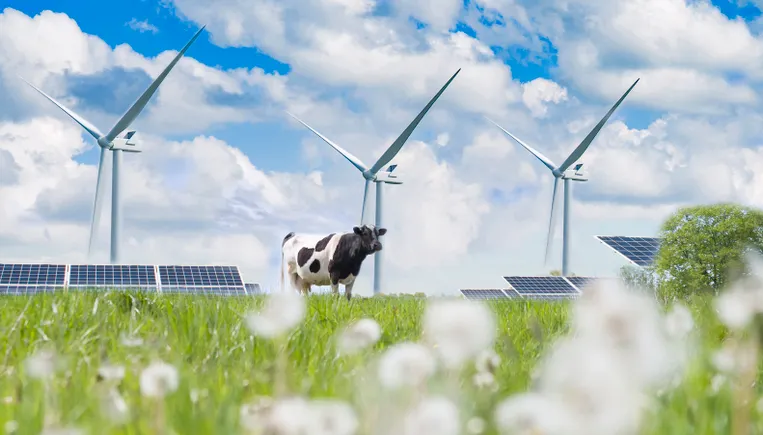
In 2024, farm renewable energy is expected to see significant growth. From agrivoltaics to anaerobic digesters and the expansion of biofuel markets, farmers are leveraging new technologies to reduce carbon emissions and generate income. Based on COP28 commitments, U.S. Energy Information Administration forecasts, and insights from industry experts, this article analyzes the latest developments and challenges in the farm energy transition.

In 2023, the number of ESG-related proposals submitted by shareholders reached an all-time high, yet support rates fell sharply. Support for environmental and social proposals dropped from 34.2% and 24.5% in 2022 to 21.7% and 17.7%, respectively. Support from large asset managers such as BlackRock and Vanguard plummeted, and the number of anti-ESG proposals tripled within three years. Experts anticipate that politicized proposals will increase in 2024, and AI issues will also appear on major companies' voting agendas for the first time.
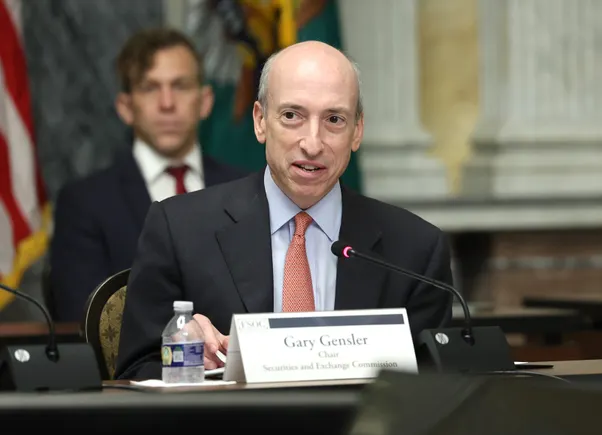
The climate disclosure rules proposed by the U.S. Securities and Exchange Commission (SEC) in March 2022 have faced strong opposition from Republican lawmakers, industry groups, and multiple state attorneys general due to the requirement for companies to disclose Scope 3 emissions. The rule has received over 16,000 public comments, and the final version is expected to be released in April 2024, but whether the Scope 3 disclosure requirement will be retained remains in question. Experts and companies hold differing views, with some believing Scope 3 may be removed, but even if removed, disclosures of Scope 1 and 2 could still face legal challenges.
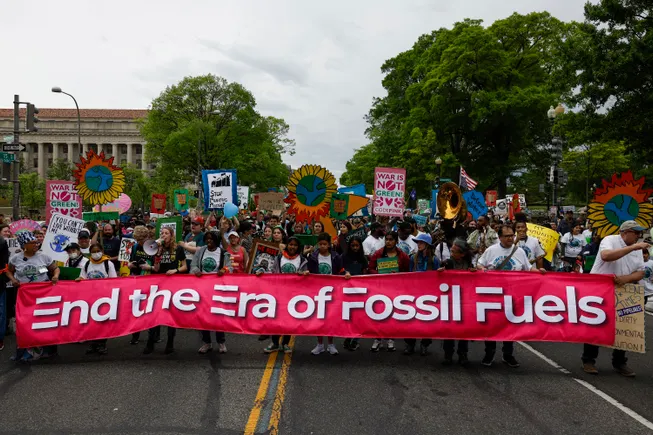
At the start of 2024, the ESG field presents four major trends: beyond climate disclosure rules, the U.S. Securities and Exchange Commission (SEC) will advance regulations on human capital disclosure and ESG investment practices; diversity, equity, and inclusion (DEI) issues continue to gain influence in corporate strategy but face political backlash; investors and legislators are contending over shareholder rights; and climate finance will prioritize physical assets and emerging markets.

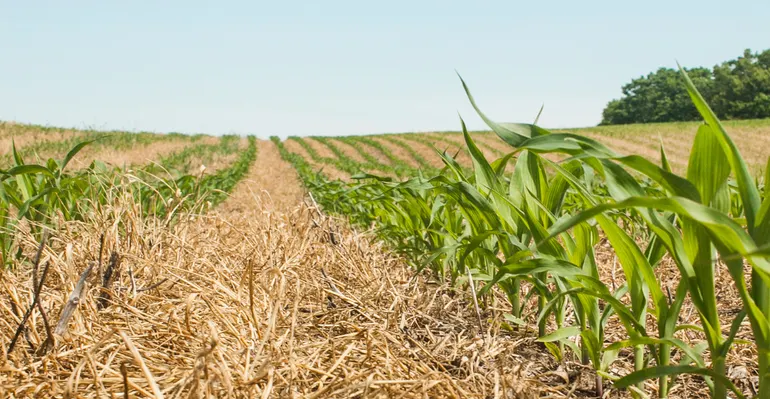
The food industry is vigorously promoting regenerative agriculture (carbon farming) to address soil degradation and carbon emissions. Companies such as Indigo Ag and Bayer are positioning themselves in carbon credits, while startups like Pivot Bio are developing biological fertilizers. However, transition costs, delayed returns, and a lack of standards are major obstacles, and whether farmers are willing to participate remains crucial.

Female business owners have historically faced gender discrimination in lending, such as "leg loans" and mandatory male co-signers. Today, women-founded banks like First Women's Bank, Agility Bank, and Fortuna Bank have emerged to fill the capital access gap. Drawing on interviewees' experiences, the article analyzes these banks' missions, expansion strategies, and the pandemic's impact on women-owned businesses, noting that serving women-owned businesses is "good business" rather than "diversity theater."