


Latest news

Drawing on 25 years of industry experience, Julie Gorte describes how sustainable investing moved from being questioned to the mainstream, only to face politicized attacks in recent years. She points out that sustainable funds have proven capable of delivering competitive returns but are often held to a double standard; meanwhile, issues such as climate change, diversity, and biodiversity are real and important investment considerations.

The United States generates over 12 million tons of furniture waste annually, with approximately 9 million tons ending up in landfills. Facility managers often underestimate the actual climate benefits of sustainable furniture retirement. This article explores how supplementing life cycle assessment methods can increase emission reduction data in ESG reports by 91%.
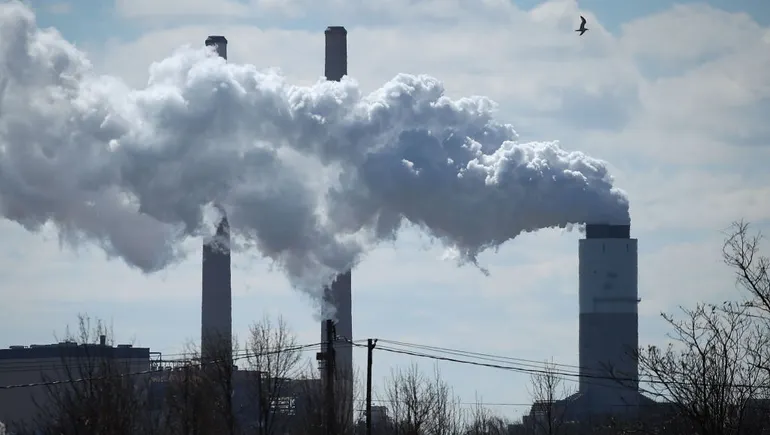
Carbon terminology, once confined to sustainability teams and annual reports, has now become a focus of public and regulatory attention. From Delta Air Lines' lawsuit to the UK CMA's fining powers, and the EU's proposed Green Claims Directive, linguistic missteps can invite legal and reputational risks. Companies need to abandon vague "carbon neutrality" claims and adopt humble, verifiable, and clear wording to rebuild trust and foster a healthier market.
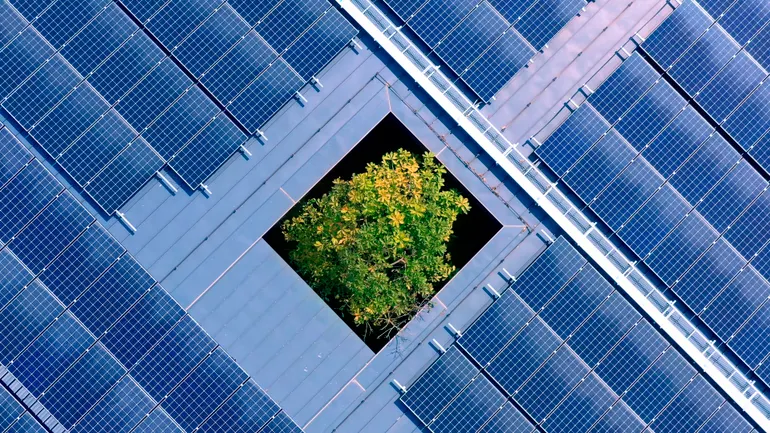
As some sustainability regulations in the US and EU are rolled back, companies find themselves in a gray area between self-regulation and a policy vacuum. Pierre-Francois Thaler, co-founder of EcoVadis, writes that although 87% of US companies maintain or increase sustainability investments, only 13% can meet four major regulations on time, including the CSRD, CBAM, California SB 253, and Canada's Modern Slavery Act. The article calls for replacing rigid compliance with "smart regulation" that is outcome-oriented, recognizes innovation, and adapts flexibly, to avoid a regression in sustainability progress.

The California Air Resources Board (CARB) released frequently asked questions on July 9, 2025, providing guidance for the implementation of two climate disclosure laws, SB 253 and SB 261. This article outlines the scope of coverage, key definitions, reporting timelines, and recommendations for corporate response.
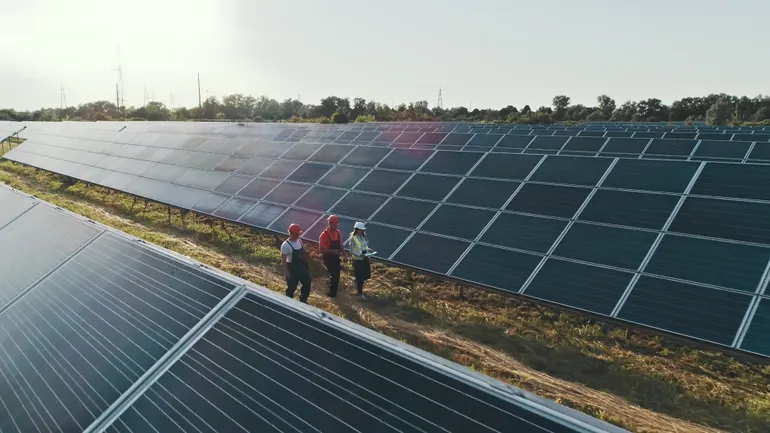
Following federal executive orders that suspended new investments in wind and solar projects, tightened federal land leasing, and imposed tariffs, clean energy manufacturers canceled, closed, or scaled back nearly $8 billion in projects in the first quarter of 2025. Meanwhile, fossil fuel expansion policies have accelerated. Retail energy suppliers are under pressure from heightened price volatility and rising compliance costs. This article recommends that suppliers adopt three core strategies: purchasing renewable energy certificates in advance to hedge against price increases, using predictive analytics and real-time data to optimize natural gas hedging decisions, and locking in premium customer share through smart technology and long-term power purchase agreements, thereby building long-term resilience amid policy uncertainty.
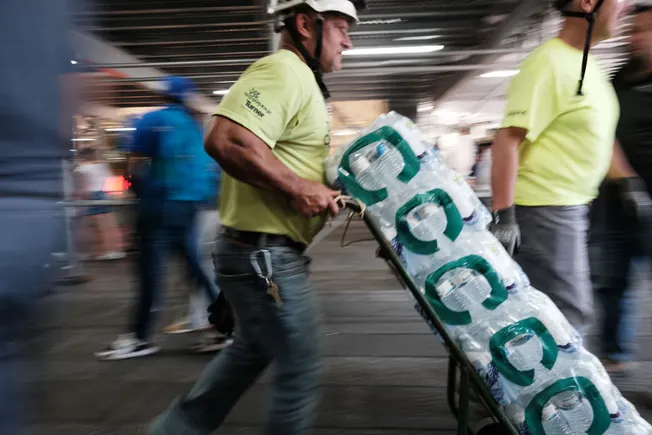
The high temperatures that swept across the eastern, central, and southern United States last month once again highlighted the real threat extreme weather poses to workers. Data shows that between 2011 and 2022, an average of 40 workers died annually in the United States due to heat exposure in the workplace. Faced with increasingly frequent extreme weather, how can companies systematically protect employees, from hydration and rest to training and emergency response plans? This article, integrating OSHA data, expert insights from Climate Central, and practices across multiple industries, provides an actionable risk management framework.

Consumer confidence is declining, inflation expectations are high, and recession risks are rising, yet the green building market shows unique resilience. Historical data shows that during the 2008-2010 crisis, the U.S. green building market grew counter-trend by 50%. Against the current backdrop of an office vacancy rate of about 20%, demand for green office space can only be met at 34%. The advantages of localized procurement and low-carbon materials make green buildings more cost-stable under tariff shocks.
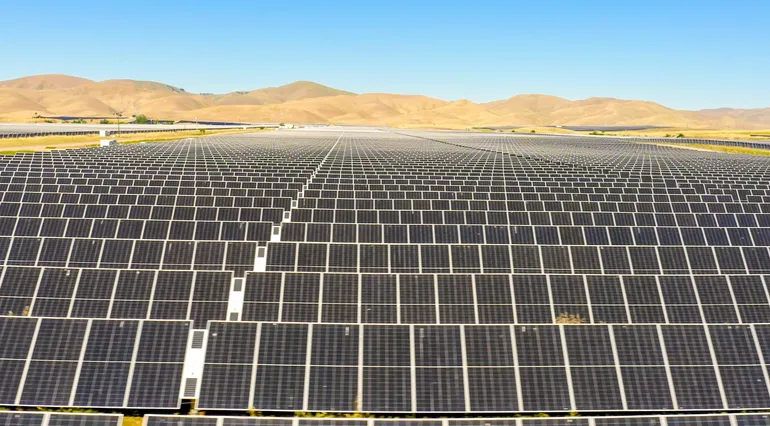
The revision of the GHG Protocol's Scope 2 guidance has entered a critical decision-making phase. A survey of nearly a hundred companies shows that proposals by the technical working group, such as narrowing market boundaries and hourly matching, could stifle the development of the voluntary clean energy market.

As U.S. corporations broadly retreat from diversity, equity, and inclusion (DEI) commitments, whether employers will continue to sponsor Pride-related events during Pride Month 2025 has become a focal point. Through the WorldPride case, corporate statements, and feedback from event organizers, this article examines the economic and political considerations behind corporate participation.