


Latest news

Net-zero goals are facing multiple pressures from geopolitics, tariffs, and energy security agendas. Although clean energy investment reached $2.1 trillion in 2024, growth halved, and investment in carbon capture and hydrogen fell by 23%. This article argues that governments should adhere to long-term net-zero goals, prioritize grid modernization, energy storage deployment, and renewable energy grid integration, and, for hard-to-decarbonize industrial and aviation sectors, achieve a resilience-oriented transition through demand-side policies and new investment scenarios such as port electrification.

The U.S. House of Representatives passed a resolution on May 1 attempting to revoke the EPA's motor vehicle emission waiver for California under the Congressional Review Act. The Senate may vote as early as next week, but the Government Accountability Office and the Senate parliamentarian have both ruled that the waiver is not subject to the CRA. Environmental and public health experts warn that this move would weaken incentives for clean car production, make it harder for states to meet air quality goals, and exacerbate public health risks.

The rapidly evolving ESG regulatory environment, where state-level guidance in the U.S. intersects with international expectations, poses significant challenges for CFOs and finance teams. This article argues that organizations must ensure their internal audit capabilities are rigorous and reliable to meet diverse compliance requirements. It centers on three key questions: clarifying the existing ESG strategy and risk landscape, defining governance expectations and culture, and developing systematic risk mitigation strategies, while emphasizing the importance of alignment with frameworks such as the ISSB.

The Science Based Targets initiative (SBTi) released a draft of its revised Corporate Net-Zero Standard earlier this year for public consultation. The revision introduces classification requirements based on company size and geography, strengthens emission reduction expectations, and adds new guidance on carbon removal and transparency, aiming to bridge the credibility gap in climate target setting. This article explains what the draft means for companies, including target-setting timelines, changes to Scope 3 emission requirements, options for neutralizing residual emissions, and the role of carbon credits.

With the increasing frequency of climate-related disasters, enterprises face increasingly severe physical risks. Investors urgently need companies to disclose their climate resilience strategies to accurately assess investment risks. This article proposes that enterprises should first map key assets, then assess the impact of disruptions, and address future uncertainties through scenario analysis, ultimately building a more resilient value chain.
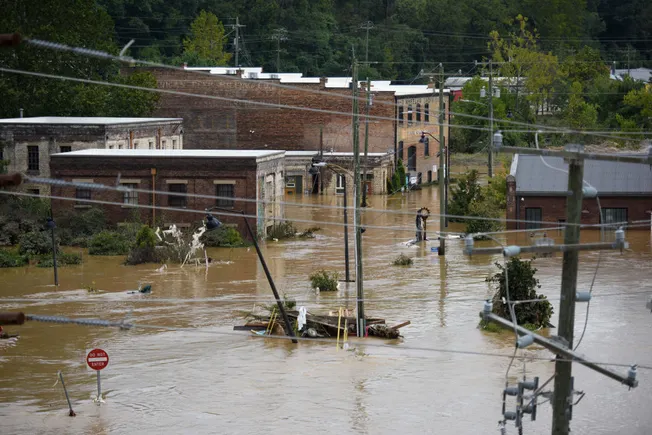
When natural disasters such as hurricanes and wildfires strike the United States, policymakers often rely on coarse indicators like the Waffle House Index to assess economic recovery progress. However, these indicators lack granularity and cannot effectively guide resource allocation. This article, through the case of the Fiserv Small Business Index, demonstrates how real-time economic data can reveal recovery disparities across different regions and industries, and emphasizes the critical role of data in accelerating post-disaster recovery and optimizing aid distribution.

Why do smart companies continue to uphold ESG policies amid political headwinds? This article starts from the three pillars of operational sustainability, social responsibility, and ethical governance, citing 76% voter support, clean energy investment flowing to red states, and data from institutions such as McKinsey and EY, to demonstrate that ESG brings multiple business advantages including risk management, cost reduction, capital access, and market growth. It also advises corporate leaders to look beyond political noise and integrate ESG into core strategy.

As eco-conscious travel becomes mainstream, hoteliers face the challenge of choosing among numerous green certifications. This article proposes five key strategies: selecting certifications based on their own priorities, aligning with evolving regulations, balancing standardization with local adaptation, leveraging certifications to enhance revenue, and achieving future-scalable certification management through data platforms.

Sustainability has become a core issue in the apparel industry. Consumer demand for eco-friendly products is driving brands to adopt transparent traceability, sustainable materials, and ethical labor standards. A UN Environment Programme report shows that the fashion industry accounts for 2% to 8% of global greenhouse gas emissions, projected to rise to nearly 2.7 billion tons annually by 2030. This article analyzes these three trends and their impact on the industry's future.

Amid continued setbacks for federal fashion legislation in the United States, including the Americas Act, states are advancing textile and apparel-related laws on their own. California and New York recently passed two bills, while Massachusetts and Washington have introduced new proposals covering textile recycling and reuse, anti-retaliation protections for retail workers, supply chain transparency, and hazardous waste management. Nate Herman, Senior Vice President of Policy at the American Apparel & Footwear Association, noted that federal inaction due to congressional gridlock leaves the industry burdened with compliance reporting without real progress. This article reviews state legislative developments and their potential impacts.