


Latest news

President Trump has signed an executive order requiring federal agencies to identify and combat the "most egregious discriminatory DEI practices" in the private sector within 120 days. Jonathan Segal, a partner at Duane Morris LLP, analyzes that the order targets only illegal DEI conduct, not a comprehensive ban. He urges employers to use this opportunity to review their own programs, distinguish lawful inclusion measures from "aspirational goals" that could constitute illegal quotas, and be mindful of legal risks and communication strategies during the audit process.

The beginning of 2025 is full of uncertainties: the U.S. withdrawal from the Paris Agreement, suspension of offshore wind development, and freezing of Inflation Reduction Act funds, alongside several major banks and asset managers exiting climate alliances, while AI data center energy consumption surges, intensifying reliance on fossil fuels. These events collectively pose major challenges and uncertainties for the ESG industry.

As the U.S. political winds shift, Wall Street giants including Goldman Sachs, JPMorgan Chase, and Citigroup have recently exited climate organizations such as the Net-Zero Banking Alliance in rapid succession. Experts point out that political pressure, legal scrutiny, and a 'bandwagon effect' are the main drivers, but most institutions state they will still adhere to their own sustainable development goals.
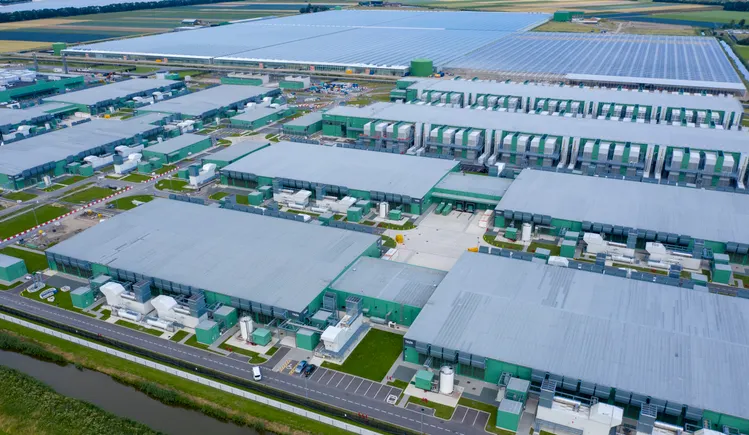
The application of artificial intelligence and generative AI in ESG and climate fields is becoming increasingly widespread, but the resulting energy demand and emission pressures may alter emission reduction trajectories and burden the power grid. In 2024, AI adoption and investment continued to rise, with data center electricity demand surging. Tech companies are increasing infrastructure investment while exploring clean energy solutions such as nuclear and geothermal power. Industry experts emphasize that responsible AI development must balance energy capacity, privacy, and accountability, and call for cross-enterprise collaboration to address shared challenges.

With the inauguration of a new U.S. administration, the first CSRD reporting deadline in the EU, and the Davos forum convening, 2025 marks a pivotal year for CSOs and CFOs. Workiva's Mandi McReynolds and Jill Klindt write that the two must join forces to navigate the political noise from over 70 global elections and the pressures of digital transformation, leveraging sustainable business integration, M&A synergies, and AI-driven data insights to gain a competitive edge in the low-carbon economy.

During President Biden's tenure, measures such as the Inflation Reduction Act drove a clean energy revolution in the United States, attracting hundreds of billions of dollars in investment and creating over 330,000 jobs. After Trump's re-election, he plans to abolish related core policies, but opposition within the Republican Party, corporate dependence, and AI-driven growth in electricity demand may make his reversal path challenging.
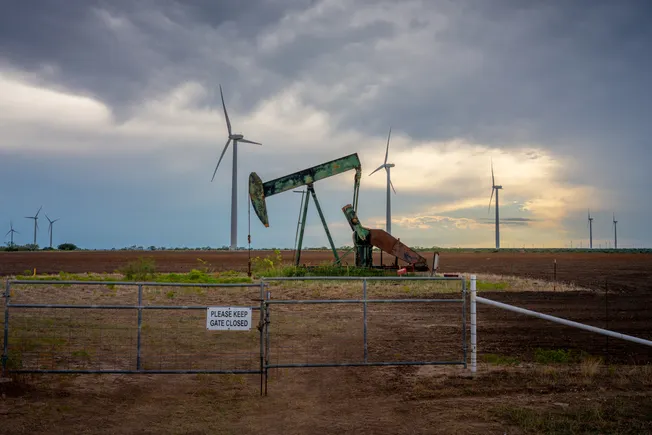
In 2025, federal-level ESG regulation in the United States may ease, but international and state-level rules will still drive corporate climate data disclosure. Major Wall Street banks are exiting net-zero alliances, corporate DEI commitments continue to shrink, and the energy demands of AI data centers are accelerating clean energy investment. Based on the latest developments, this article summarizes five ESG trends worth watching.

The rapid development of artificial intelligence is profoundly changing the way industries operate, and its impact on sustainable development is particularly significant. PwC's 2025 AI Business Predictions show that AI will become a value engine and key driver of sustainable development, helping companies address investor concerns regarding carbon reduction, supply chain resilience, and the adoption of renewable energy. Based on the views of Sammy Lakshmanan, PwC's leader for sustainability, this article explores the specific applications of AI in the energy transition, compliance simplification, and strategic decision-making, and points out that companies need to align AI initiatives with sustainability goals while also managing AI's own environmental costs.

The refinement and increasing complexity of ESG disclosure requirements have led to a surge in the volume of data that companies need to collect and organize. Despite continuous advancements in software tools, flaws in human processes can still hinder data quality. This article explores the balance between technology and human effort and offers three recommendations for evaluating and integrating new platforms.

The transition to electric vehicles is not an overnight process. The average age of vehicles in the United States exceeds 12 years, and with a fleet of over 283 million vehicles, market penetration will take decades. In the third quarter of 2024, electric vehicles accounted for 8.9% of new car sales, higher than the same period last year, but the overall market is still in its early stages. Supporting efforts such as charging network construction, grid upgrades, and policy adjustments also require time. Experts suggest that the time constraints should be acknowledged, and comprehensive preparations in production, infrastructure, and market mechanisms should be advanced within the transition window.