


Latest news

With over 32,000 delegates gathering in Baku, Azerbaijan for COP29, global climate action has entered a critical phase. Based on observations from Workiva's Chief Sustainability Officer Mandi McReynolds, this article analyzes how companies are responding to increasingly stringent ESG reporting requirements, seizing strategic opportunities in the energy transition, and looking ahead to the key time window before COP30.
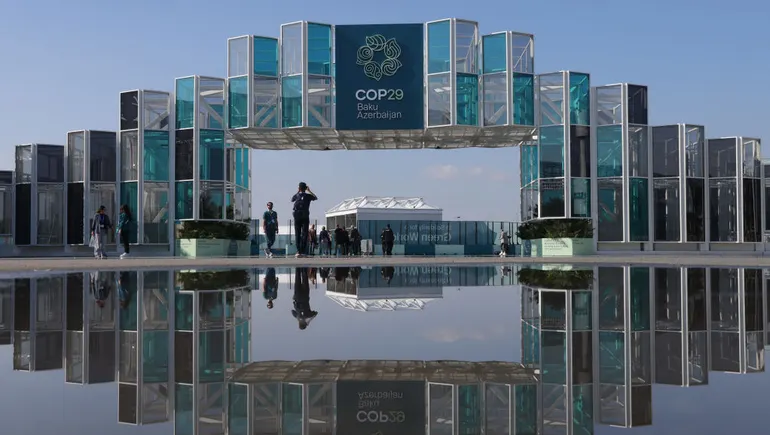
At the COP29 summit held in Baku, Azerbaijan, the operations team, guided by seven principles including carbon neutrality, accessibility, and inclusivity, strives to create a sustainable and inclusive global climate conference through measures such as renewable energy, electric buses, zero-landfill waste management, and the first sign language interpretation.


Amid greater scrutiny of ESG, corporate leaders have not abandoned related investments but have become more ambitious, albeit with a lower profile. They are integrating ESG with CSR, advancing sustainable development goals through enhanced communication, leveraging the credibility of nonprofit organizations, and employee engagement.
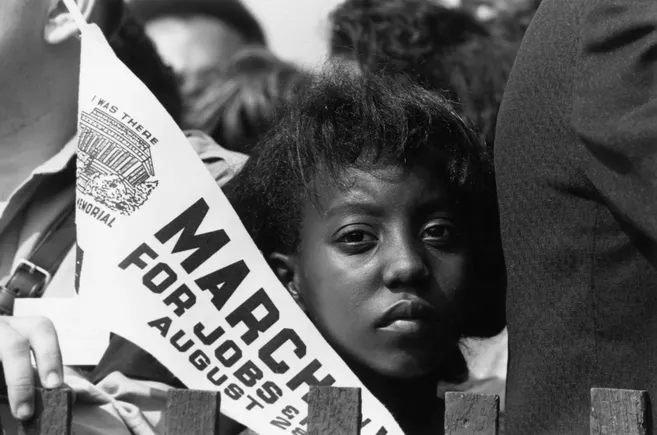
In the summer of 2024, from SHRM's rebranding to Microsoft layoffs, and multiple companies and universities retracting DEI commitments, the DEI field experienced significant upheaval. This article analyzes the background of these events, shifts in consumer attitudes, and invites experts from organizations such as Dayforce and AMS to look ahead to DEI's development path in 2025.
As global sustainability disclosure regulations tighten, companies face pressure to collect, calculate, and report greenhouse gas data. Technology can help CFOs address these challenges, including improving carbon footprint management efficiency, enhancing data validation, simplifying Scope 3 reporting, and supporting advanced trend analysis.
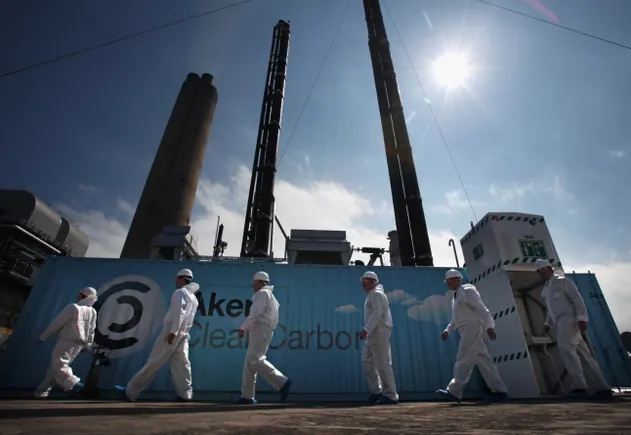
The U.S. Department of Energy's (DOE) support for carbon capture and storage (CCS) technology is based on unverified technical assumptions. Taking the Four Corners coal-fired power plant in New Mexico and the Sutter gas-fired power plant in California as examples, their designed capture capacities exceed the historical maximum emissions of the plants, and the claimed 95% capture rate lacks operational experience to support it. IEEFA analysis points out that plant aging, load fluctuations, and cost disadvantages make it difficult for CCS to become a climate solution.

Since Tractor Supply adjusted its long-standing DEI practices in June 2024, some retailers and brands have scaled back or terminated related programs, raising concerns about DEI trends. However, a Conference Board survey shows that about 90% of companies still maintain DEI commitments. Experts point out that most companies are responding to external pressure by adjusting their messaging or expanding program scope, rather than completely abandoning it. The article also explores the positive impacts of DEI on corporate compliance, innovation, financial performance, and talent retention, and warns of the potential costs of abandoning DEI.
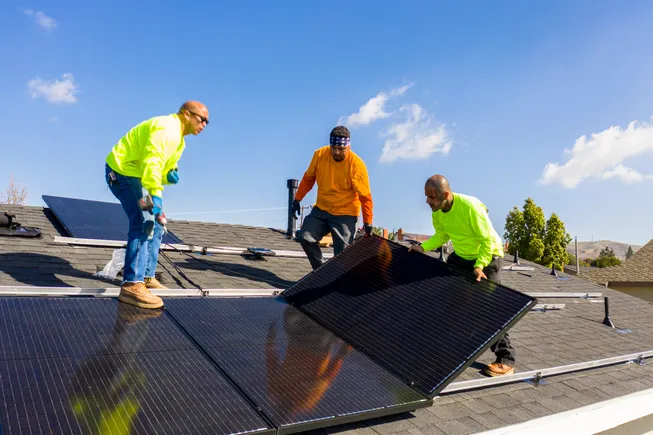
The U.S. clean energy manufacturing industry faces challenges due to a lack of sufficiently skilled workers, but through public-private partnerships and collaborations between community colleges and industry, a talent pipeline can be built to support industry growth and independence.