

Latest news

Facing growing pressure from investors, regulators, customers, and other stakeholders, the importance of corporate ESG (Environmental, Social, and Governance) information disclosure continues to rise. eBay's Chief Sustainability Officer Renee Morin, drawing on her own experience, identifies three major ESG trends companies need to address in 2024: a surge in regulatory disclosure requirements, expanding investor influence, and deepening consumer focus on sustainability. The article details how eBay addresses these challenges through a cross-functional ESG committee, close collaboration with investors, and re-commerce practices, and emphasizes the benefits of proactive disclosure and data system development for long-term corporate value.

In new efforts to mitigate biodiversity loss, packaging industry companies are beginning to consider incorporating this issue into their sustainability plans. But measurement challenges mean that the widespread adoption of such measures—at least for now—is unlikely.
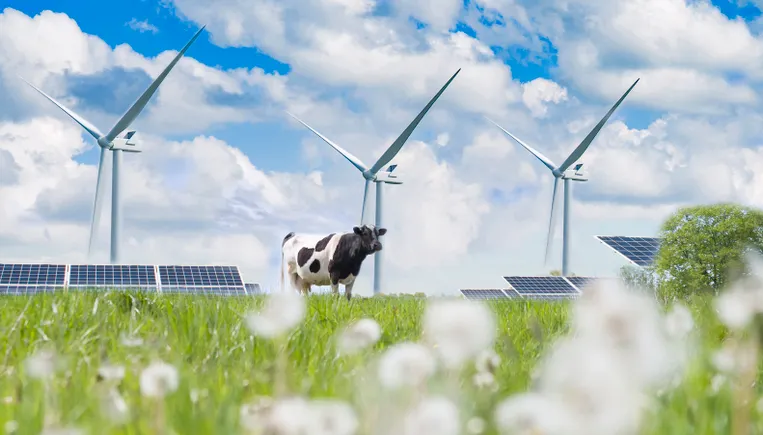
In 2024, farm renewable energy is expected to see significant growth. From agrivoltaics to anaerobic digesters and the expansion of biofuel markets, farmers are leveraging new technologies to reduce carbon emissions and generate income. Based on COP28 commitments, U.S. Energy Information Administration forecasts, and insights from industry experts, this article analyzes the latest developments and challenges in the farm energy transition.
2024 is a formative year for ESG. The U.S. Securities and Exchange Commission (SEC) climate disclosure rules are expected to be issued in April, but uncertainty remains over Scope 3 emission requirements; on the investment side, ESG proposals face declining shareholder support, with BlackRock and Vanguard reducing support rates and an increase in anti-ESG proposals.
The EU's Corporate Sustainability Due Diligence Directive (CS3D) is expected to be officially promulgated in the near future, directly affecting large US enterprises with annual EU business volumes of $300 million or more. The directive requires companies to conduct due diligence on the environmental and human rights impacts of their supply chains, complementing regulations such as CSRD. This article, written by Makersite CEO Neil D'Souza, explores CS3D compliance key points, audit resource gaps, and recommended corporate responses.

In 2023, the number of ESG-related proposals submitted by shareholders reached an all-time high, yet support rates fell sharply. Support for environmental and social proposals dropped from 34.2% and 24.5% in 2022 to 21.7% and 17.7%, respectively. Support from large asset managers such as BlackRock and Vanguard plummeted, and the number of anti-ESG proposals tripled within three years. Experts anticipate that politicized proposals will increase in 2024, and AI issues will also appear on major companies' voting agendas for the first time.
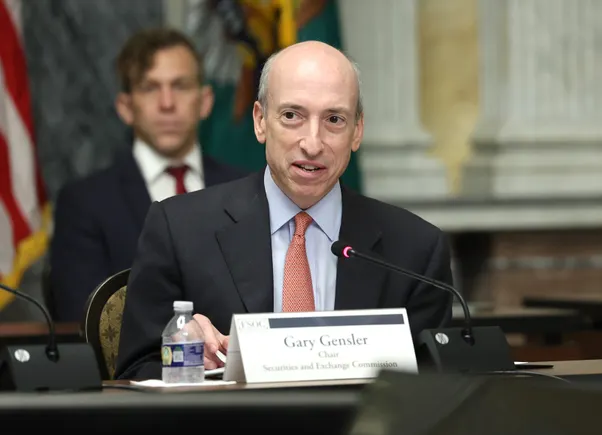
The climate disclosure rules proposed by the U.S. Securities and Exchange Commission (SEC) in March 2022 have faced strong opposition from Republican lawmakers, industry groups, and multiple state attorneys general due to the requirement for companies to disclose Scope 3 emissions. The rule has received over 16,000 public comments, and the final version is expected to be released in April 2024, but whether the Scope 3 disclosure requirement will be retained remains in question. Experts and companies hold differing views, with some believing Scope 3 may be removed, but even if removed, disclosures of Scope 1 and 2 could still face legal challenges.
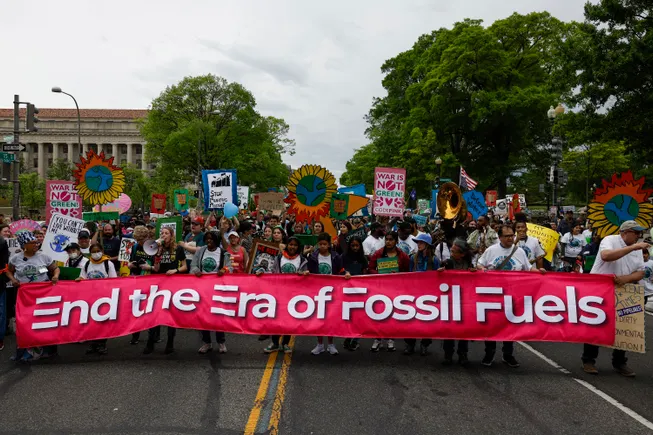
At the start of 2024, the ESG field presents four major trends: beyond climate disclosure rules, the U.S. Securities and Exchange Commission (SEC) will advance regulations on human capital disclosure and ESG investment practices; diversity, equity, and inclusion (DEI) issues continue to gain influence in corporate strategy but face political backlash; investors and legislators are contending over shareholder rights; and climate finance will prioritize physical assets and emerging markets.
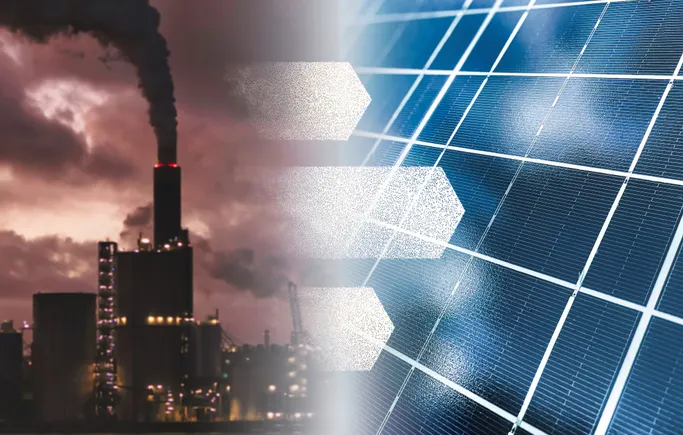
As COP28 convenes, whether the United States can achieve its net-zero emissions goal by 2050 has become a focal point. Research from the ICF Climate Center indicates that with existing technologies, the U.S. can cut nearly 90% of emissions, with the key lying in scaling up electric vehicles, comprehensively retrofitting buildings, and expanding the share of clean energy. However, this path faces practical obstacles such as battery supply chains, grid expansion, and slow building retrofits, requiring coordinated efforts from government, businesses, and the public.