


Latest news

As enterprises move beyond initial AI deployment, executives are grappling with a fundamental question: can the technology be trusted to deliver consistent business outcomes? A recent report from HFS Research and TCS, surveying over 100 C-suite and technology executives in the U.S. and Canada, finds that only 1 in 3 respondents believe AI consistently delivers intended outcomes, remains under control, and earns stakeholder confidence. The findings underscore a shift toward more cautious AI adoption, driven by rising costs, workforce skill gaps, and regulatory uncertainty.
The SEC will no longer respond to no-action requests under Rule 14a-8, a significant shift in proxy process oversight. The Division of Corporation Finance and the Division of Investment Management will adopt a similar approach, though companies must still file required notices. The decision comes amid broader rule review and legal pushback.

The Conference Board's Employment Trends Index increased in July, suggesting continued resilience in the labor market, according to economic data scientist Conrad Qi. The rebound followed declines in May and June, but year-over-year growth remains modest at 0.6%.
Bank of America will deploy $250 billion over 18 months to finance critical infrastructure projects, including data centers, energy, transportation, water systems, and critical minerals. The bank says the effort will drive job creation and economic growth, with leadership from Karen Fang. The announcement follows similar patriotic initiatives on Wall Street amid political scrutiny of banks.
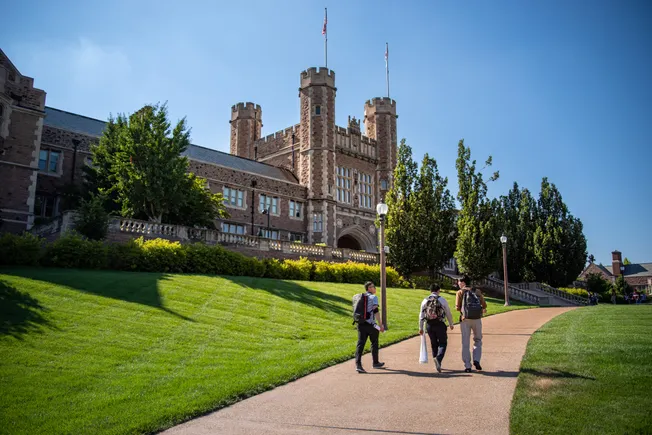
The U.S. Equal Employment Opportunity Commission (EEOC) filed a lawsuit against Washington University on Wednesday, alleging that its Alvin J. Siteman Cancer Center (SCC) segregated employees by race during a mandatory diversity, equity, and inclusion (DEI) training, and that a Black employee who complained was later terminated in retaliation. The lawsuit, filed under Title VII of the Civil Rights Act of 1964 and Title I of the Civil Rights Act of 1991, highlights the EEOC's active enforcement against DEI practices under the Trump administration.

A new lifecycle assessment by Textile Exchange and SCS Consulting Services shows that recycled polyester is not a silver bullet for fashion's environmental woes. Electricity consumption drives impacts, thermomechanical recycling often emits more than chemical recycling, and 98% of recycled polyester comes from bottles, not textile waste. The report also highlights social issues and the need for systemic change.
The Lego Group is advancing its decarbonization strategy by expanding renewable energy capacity, including solar installations in Vietnam, Denmark, and Virginia, while transitioning vehicle fleets to electric power.

A 110-MW solar project in Hill County, Texas, has begun commercial operations with financial backing from thousands of individual gamers via a subscription-based virtual power purchase agreement (VPPA). The arrangement, facilitated by Ever.green and SuperPower, highlights the potential for broader VPPA adoption beyond hyperscalers and large corporates.
Google and RWE announced a 15-year PPA covering 100% of the output from the 155-MW Crooked Creek Solar project in McCurtain County, Oklahoma. Construction begins later this year, with commercial operation expected in 2028. The project is projected to generate significant local tax revenue and support community services.
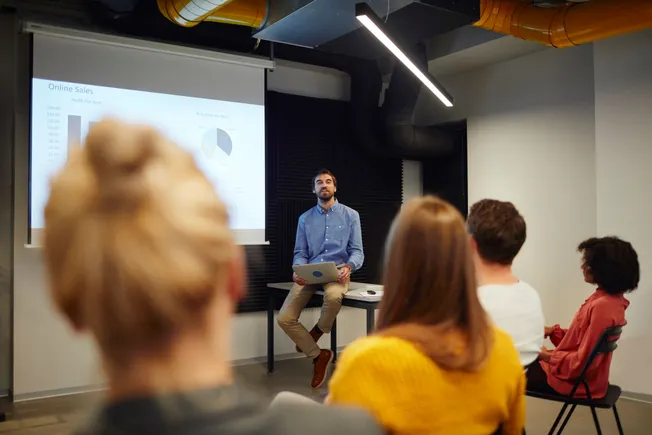
A new Businessolver survey reveals that as companies scale AI, nearly one-third of CEOs prioritize headcount cuts, yet almost half of employees receive little or no AI training, and many fear for their jobs. Experts warn of cultural erosion and emphasize the need for training and collaboration.