


Latest news

In 2026, sustainability leaders and executives are navigating an increasingly polarized political environment, with ESG issues under greater scrutiny. The Trump administration has withdrawn from the Paris Agreement, suspended wind power development, frozen Biden-era climate funding, and signed executive orders targeting state-level climate policies. Companies are downplaying decarbonization goals on one hand while facing growing climate disclosure requirements domestically and internationally on the other. ESG Dive has gathered expert insights to outline key trends for the year.
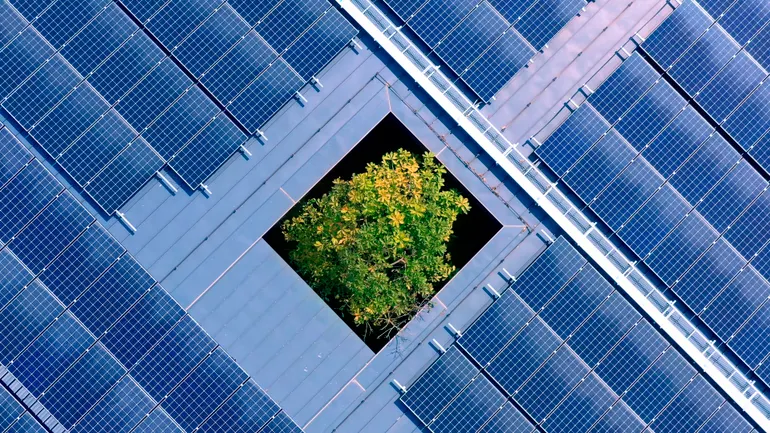
After years of progress toward consensus on climate risk disclosure, the global regulatory environment facing enterprises in 2026 has expanded in both complexity and scope. Measures taken by regulators in the United States and the European Union last year have driven the two sides further apart on this issue, intensifying regional fragmentation. However, this year more jurisdictions will implement climate disclosure regulations, requiring enterprises to have specific data governance processes. Although some enterprises have reduced publicity of their sustainability efforts, according to Carole Laible, CEO of Domini Impact Investments, corporate climate disclosure has not weakened as a result.
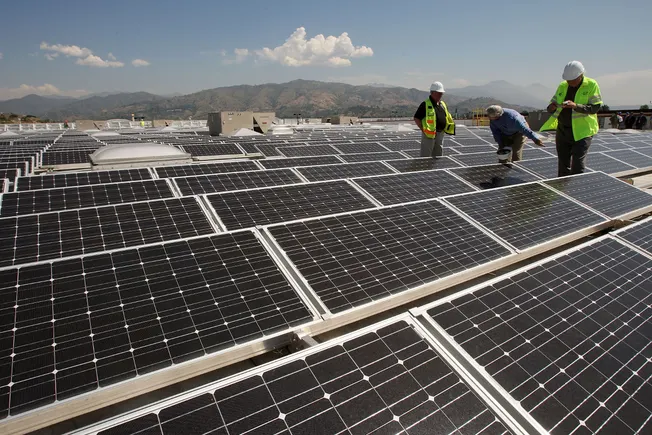
The GHG Protocol recently solicited public comments on revisions to its Scope 2 guidance, proposing to require hourly matching for renewable energy purchases and tighten geographic boundaries. While the proposal aims to improve accounting accuracy, it could undermine the voluntary clean energy market, suppress corporate demand, and slow the development of wind and solar projects in the United States.

Since the term "ESG" was introduced in a 2004 United Nations report, it has evolved from a risk management framework into a highly politicized term. Under current federal government pressure, companies have generally reduced their use of the term, but experts point out that most firms have not abandoned their sustainability commitments; instead, they are adjusting their communication methods by linking goals to business strategy. Data shows that in 2024, only 25% of S&P 100 companies used "ESG" in their annual reports, a significant drop from 40% in 2023. Meanwhile, an Accenture report indicates that 41% of the global top 2000 companies have set net-zero targets across their full value chain, up from 27% in 2024.

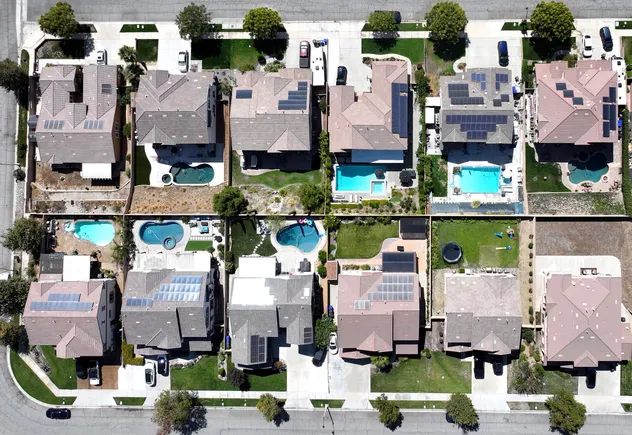
U.S. solar installations are growing rapidly, with 84% of new electricity in 2024 coming from solar and storage, but installations are concentrated in high-income communities. Low-income households have 14.7% higher carbon offset potential yet 47% fewer installations. Despite reduced federal funding, states like California and Massachusetts are still rolling out subsidies and community solar projects, which, combined with tools like GeoAI, could enable a fairer energy transition.

In 2025, the U.S. federal government pushed for deregulation of ESG-related rules, the EU simplified its sustainable disclosure rules, and California's climate disclosure law faced judicial challenges. Entering 2026, companies must navigate a shifting regulatory landscape while the green economy continues to grow, and corporate communication strategies turn cautious. This article outlines four key trends.
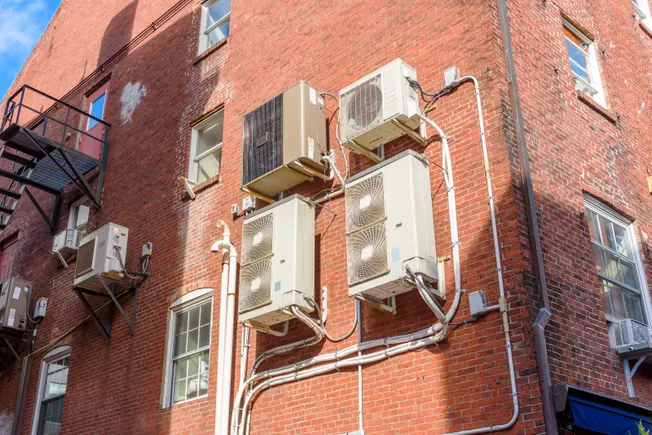
As building electrification advances, pressure on winter grid peaks increases, making hybrid heating (air-source heat pumps plus gas furnaces) an option that balances decarbonization and reliability. However, its long-term role depends on regulatory incentives, cost recovery mechanisms, and data availability. The article notes that, if poorly designed, hybrid heating could accelerate the stranding of gas infrastructure rather than facilitate a smooth transition.
With unprecedented setbacks to federal clean energy incentives and renewable energy projects, state legislatures have become the last line of defense for clean energy deployment. Poorly designed automated permitting bills could entrench bureaucratic gridlock and stifle innovation. The key lies in adopting technology-neutral standards rather than designating specific platforms. California's SB379, which mandates the use of SolarAPP+, highlights the risks of technology designation, while Texas and Florida have chosen technology-agnostic legislative paths. States must immediately pass technology-neutral automated permitting bills to promote competition, reduce costs, and accelerate the clean energy transition.

Over the past decade, ESG considerations have become increasingly prevalent in commercial real estate development. For multifamily developers and investors, ESG is not merely an extension of green building certifications but has become a key criterion in investment evaluation. Written by two experts from Buchalter law firm, this article dissects the three dimensions of ESG and highlights key issues such as insurance costs and coverage, environmental pollution liability, and business interruption risks, advising owners and investors to protect asset value through rigorous environmental due diligence, appropriate insurance arrangements, and resilient investments.

Globally, over 1 billion tons of food are wasted each year, accounting for 10% of global greenhouse gas emissions. Elopak CEO Thomas Körmendi believes that packaging—especially aseptic and fresh packaging technologies—is a key line of defense against this challenge. Drawing on data from the United Nations, the World Bank, and others, the article analyzes regional differences in food waste, the dilemma of plastic pollution, and the potential of paper-based packaging in reducing emissions.